
Mastering the art of bluffing in casino poker games
Understanding the Basics of Bluffing
Bluffing is a cornerstone of poker strategy, essential for players seeking to gain an edge over their opponents. Essentially, it involves presenting a strong hand when the reality is quite the opposite, thus persuading opponents to fold their potentially winning hands. Successful bluffing requires a keen understanding of both the game dynamics and the psychological aspects of poker. Many players utilize platforms like 1win to practice their skills and strategies, allowing them to determine the right moment to make their move.
Recognizing when to bluff is as crucial as knowing how to execute it. A common mistake among novice players is bluffing too frequently or without adequate reasons. The best bluffs often occur in situations where the player can create a convincing story based on prior betting patterns. For instance, if a player has been aggressive throughout the game, a sudden show of weakness may raise suspicions, making it harder to convince them to fold. Hence, understanding table dynamics and timing is vital for any bluff to be successful.
Moreover, the range of hands you represent while bluffing matters significantly. A well-structured bluff often suggests a range of high-value hands, which can intimidate your opponents. For example, if you’ve been playing conservatively, suddenly betting big could indicate a strong hand. Conversely, a loose player could benefit from a significant bluff only in certain board conditions, showcasing the importance of adjusting your strategy according to the table’s circumstances.
Reading Your Opponents
A pivotal skill in mastering bluffing is the ability to read your opponents effectively. Understanding their tendencies and playing styles can reveal a wealth of information that informs your bluffing strategy. Some players are naturally risk-averse and may fold at the slightest sign of aggression, while others thrive on uncertainty and may call your bets regardless of their hand. Developing this skill enhances your strategic edge and maximizes your bluffing potential.
Pay attention to your opponents’ facial expressions and body language. These elements often provide subtle clues about the strength of their hand. For instance, a player who suddenly becomes tense or fidgety might be holding a weak hand and could be susceptible to a well-timed bluff. Conversely, someone who appears relaxed and confident may indicate they have a strong hand and are less likely to fold. Observing these nuances requires practice, but it can significantly elevate your bluffing game.
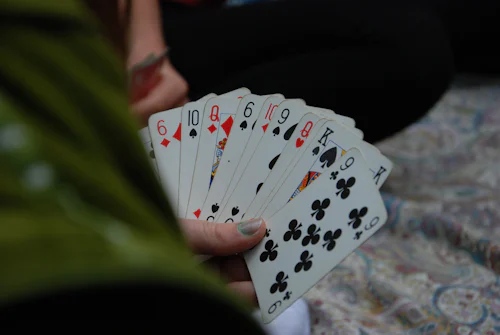
Another vital component of reading your opponents is analyzing their betting patterns. How do they respond to different types of situations? Do they fold under pressure, or do they often call aggressive bets? Understanding these patterns allows you to create credible narratives when bluffing. For example, if a player has consistently folded to large bets, you can exploit this knowledge by making a substantial raise to induce them to fold again. This aspect of poker not only aids in bluffing but also shapes your overall game plan.
Implementing Effective Bluffing Techniques
Effective bluffing revolves around employing various techniques that enhance your credibility while deceiving your opponents. One such technique is the semi-bluff, where you bet on a hand that might not be the best but has the potential to improve. This approach makes your bluff more believable since you have a chance to win even if your opponents call. For instance, if you are holding a drawing hand, betting aggressively can convince your opponents that you are strong, while still leaving you the possibility of improving your hand.
Another common bluffing technique is the “blocking bet.” This strategy involves making a small bet to signify strength, convincing your opponents that you are more confident than you actually are. A blocking bet can protect your weaker hand by discouraging larger bets from your opponents. For example, if you have a mediocre hand but believe an opponent might bet big, a strategic blocking bet may save you from losing more chips than necessary while simultaneously setting the tone of the hand.
Moreover, the timing of your bluffs can make a significant difference. Bluffing in early positions, where you have less information about your opponents, can be risky. However, leveraging late positions, when you have observed how others have acted, gives you a strategic advantage. Noticing the board conditions and adjusting accordingly, such as bluffing on a connected board, can create an impression of strength. Understanding the dynamics and effectively implementing these techniques can turn the tide in your favor during a poker game.
Understanding Risk and Reward
Bluffing inherently involves taking risks, and understanding how to evaluate these risks is essential for a successful poker player. Every time you decide to bluff, you must weigh the potential rewards against the likelihood of failure. For instance, bluffing against a tight player generally carries a higher potential reward since they are more likely to fold to significant betting. Conversely, bluffing against a loose player who is willing to chase after draws may prove more dangerous and less rewarding.

Another aspect of managing risk is knowing when to walk away. If you find yourself unsuccessful in multiple bluff attempts, it might indicate that your opponents have caught on to your strategy. In such situations, it’s wiser to shift to a more conservative playing style rather than continued aggressive bluffing, which may lead to significant losses. Recognizing your opponents’ adjustments is crucial in maintaining an upper hand in the game.
Additionally, consider the implications of your stack size relative to the pot. If you are short-stacked, bluffing may be less effective as opponents are less inclined to fold when they have the potential to eliminate you from the game. Conversely, with a fuller stack, you can afford to take calculated risks. Understanding the dynamics of risk and reward is a vital part of mastering the art of bluffing in poker, ensuring that your strategies remain effective and adaptable.
Building Your Poker Strategy
Incorporating bluffing into your overall poker strategy can enhance your gameplay and increase your chances of success. Therefore, blending your bluffs with solid strategies will create a more diverse approach that keeps opponents guessing. Striking a balance between strong hands and bluffs allows you to maintain an unpredictable playing style and ensures that you are respected at the table.
Moreover, analyze outcomes from your bluffing attempts to devise improvement strategies. Keeping track of when and how your bluffs succeed or fail provides insights into refining your technique. Reviewing past games can highlight patterns, assisting you in understanding what works effectively and what requires adjustment. Continuous learning and adaptability are key factors in becoming a skilled poker player.
Finally, remember that the poker environment is dynamic. Constantly evolving strategies amongst players mean that what works one day may not be as successful the next. Hence, remain adaptable; continually seek new techniques, and evolve your skills. Engaging with poker communities and educational resources will facilitate ongoing development in your game and encourage you to think critically about your bluffing and overall strategies.
