
Elevate your game: understand the psychology behind gambling’s allure
The Thrill of the Chase: Dopamine and Reward Pathways
Gambling’s potent allure is deeply rooted in neurochemistry, particularly the release of dopamine. This neurotransmitter is central to our brain’s reward system, creating feelings of pleasure and motivation. When a gambler experiences a win, or even the anticipation of a win, their brain floods with dopamine, reinforcing the behaviour and making them crave more. This creates a powerful cycle that can be difficult to break, driving individuals to seek out further gambling experiences in pursuit of that rewarding sensation, often starting with accessible options like minimum deposit casino nz.
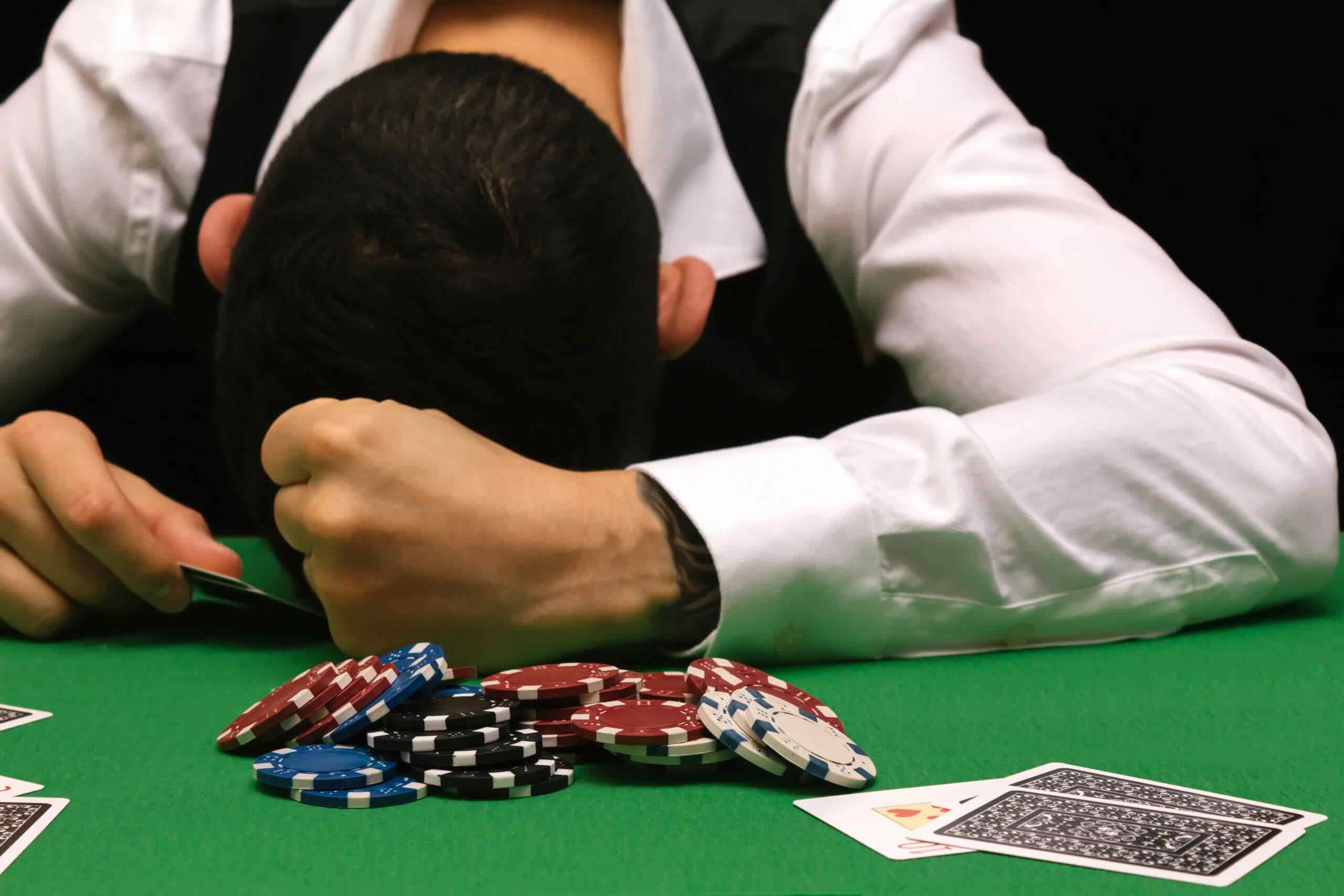
This dopamine surge isn’t solely tied to actual wins. Near misses and the potential for a big payout can also trigger this response, albeit to a lesser extent. The unpredictable nature of gambling means that the reward is never guaranteed, intensifying the anticipation and the subsequent dopamine release when a win finally occurs. This variability is a key psychological hook, as it keeps the brain engaged and hopeful for the next big payoff, even after multiple losses.
Cognitive Biases: Shaping Perceptions of Chance
Several cognitive biases play a significant role in maintaining a gambler’s engagement. The “illusion of control” is a prime example, where players believe they can influence the outcome of games that are purely based on chance. This might manifest as specific rituals, lucky charms, or believing they have a “system” to beat the odds. This perceived control can make gambling feel less like a random event and more like a skill-based challenge, increasing confidence and willingness to participate.
Another common bias is the “gambler’s fallacy,” the mistaken belief that past random events influence future random events. For instance, believing that after a series of red outcomes on a roulette wheel, a black outcome is “due.” This is a fundamental misunderstanding of probability but is deeply ingrained in many gamblers’ thinking. This bias can lead to increased betting after losses, driven by the false hope that a win is imminent due to a perceived imbalance in recent outcomes.
The Social Fabric of Gambling
Beyond individual psychology, social factors contribute significantly to gambling’s appeal. For many, casinos and betting establishments are social hubs. The shared experience of excitement, camaraderie among players, and the general atmosphere can be highly attractive. These environments provide a sense of belonging and shared anticipation, making the act of gambling more than just a solitary pursuit.
Furthermore, societal norms and media portrayals can normalize and even glamorize gambling. When it’s depicted as a sophisticated pastime or a quick route to riches, it can lower inhibitions and encourage participation. The accessibility of online gambling platforms has further amplified this, making it a readily available form of entertainment that can be integrated into daily life, often without the overt social pressures or visibility of traditional casinos.
Risk vs. Reward: The Allure of High Stakes
The fundamental concept of gambling revolves around a calculated risk for a potential reward. For some individuals, the thrill of taking a significant risk and the prospect of a substantial payout are inherently exciting. This can be a powerful motivator, especially for those who feel their current life lacks excitement or opportunity. The possibility of dramatically altering one’s financial situation, however slim the odds, can be a potent draw.
This risk-reward dynamic is particularly amplified in games with progressive jackpots or high betting limits. The idea of a life-changing win, even if statistically improbable, taps into a deep-seated human desire for fortune and escapism. The psychological impact of considering such a possibility can overshadow the more rational assessment of the probabilities, leading individuals to invest more than they might otherwise consider, especially when exploring options like minimum deposit casinos where the initial barrier to entry is low.

Low-Stakes Excitement at Minimum Deposit Casinos
For many players, the psychological allure of gambling doesn’t necessarily require a large financial commitment. Platforms offering minimum deposit options, such as those found on our guide to New Zealand’s top sites, provide an accessible entry point. These casinos allow individuals to experience the thrill of pokies, blackjack, and other casino games with as little as $1. This significantly lowers the perceived risk, making the pursuit of potential wins more approachable for a wider audience.
These minimum deposit casinos excel at leveraging the psychological hooks of gambling without demanding a substantial upfront investment. Players can still chase the dopamine rush from potential wins, enjoy the social aspect of online gaming, and experience the excitement of chance, all while managing their expenditure closely. This model caters to those who enjoy the entertainment value of gambling but prefer to do so responsibly and with minimal financial exposure, allowing them to explore various games and bonuses without a large initial outlay.
