
Estate Planning and the Chicken Shoot Legacy Building in the UK
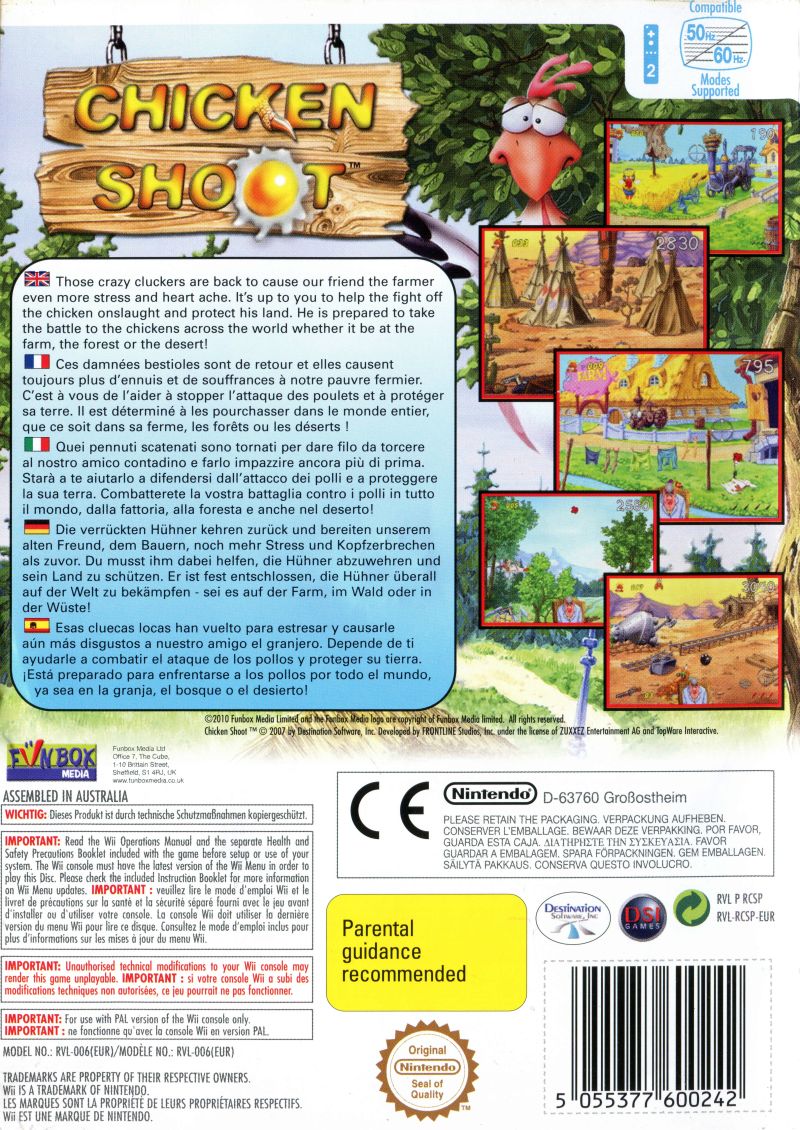
Legacy creation used to be about houses, money, and heirlooms. Today, for a cohort of gamers, it includes something else: the digital worlds they’ve committed to. Think about a game like chicken shoot. The milestones unlocked, the special items bought, the high scores set—they may not be physical, but they count. They symbolize hours of skill and memory. This article explores how UK estate planning is gradually catch up with this idea. We’ll use Chicken Shoot as an example to talk about how you can ensure your gaming legacy is handled with care, making digital assets a real part of your final plans.
Grasping Virtual Assets in Video Games
So what counts as a digital asset in a title like Chicken Shoot? It’s anything you’ve earned or acquired inside the game. The game itself if you installed it, any extra downloadable content (DLC), unique characters or weapons, your stack of in-game gold, and those hard-won achievement badges. You invest time or money into acquiring these things. They carry value to you. Legally, however, it’s a different story. You don’t own them like a book on a shelf. You authorize them through those long agreements you click ‘confirm’ to without reading. These End User License Agreements (EULAs) almost never let you give your account to someone else. For executors dealing with an estate, this is a challenge. The standard terms of service can shut them out completely, stranding a gamer’s virtual trophies in limbo.
Upcoming Developments in Digital Inheritance
As our lives shift increasingly to the digital realm, the law needs to keep pace. In the UK, reforms are coming that should provide clearer definitions for digital assets and clarify what rights executors have. We might see formal “digital executor” positions, or systems where you name a legacy contact on a platform. Blockchain technology could even facilitate provable ownership and transfer of some digital items. For a game like Chicken Shoot, this could mean your nephew might one day actually inherit your rare in-game items. Getting this right will demand collaboration from both sides: individuals need to document their wishes now, and lawmakers need to build frameworks that treat a digital legacy with the same respect as a box of old photos and letters.
Ways to Incorporate Your Gaming Legacy
Begin by making a list. Write down every digital gaming asset you have. Note your usernames on Steam, PlayStation Network, or Xbox Live. List the games that are meaningful to you, like Chicken Shoot. Include the email addresses connected to these accounts. Store this inventory somewhere protected, like with your solicitor, and reference it in your will or a separate letter of wishes. You might not be able to leave the account itself, but you can provide clear instructions. Advise your executors if you’d like them to ask for a memorial, or to retrieve your game data and screenshots. One key warning: never include your passwords in your will. Wills become public record. Utilize a secure password manager with a legacy access feature instead, and detail how to reach it in your private instructions.
The Purpose of Executors and E-Wills
Selecting the right executor can greatly impact things. Choose someone you trust who also understands the basics of online accounts. This person will carry out your wishes for your digital assets. A solicitor can help by adding a “digital will” or a codicil to your main will. This grants your executor the legal authority to manage your online presence, even if it technically breaks a platform’s terms of service. They would be acting under their legal duty to resolve your estate. The document should specify what they have permission to do: access, archive, or close specific accounts. Having this framework in place helps stop your accounts from being deleted by a company after a period of inactivity, vanished without a trace.
The Legal Landscape for Digital Assets
Where does UK law think of all this? It is playing catch-up. There is no dedicated law so far for passing on digital game accounts. The Legal Commission of England and Wales has recommended forming a new category of personal property for some digital assets, which would help. For now, what happens to your Chicken Shoot profile hinges largely on the rules of the site it is on. The big companies—Steam, Xbox, PlayStation—usually prohibit account transfers outright. If they get a death certificate, their typical action is to terminate the account down. Everything within is lost. That is why you cannot ignore the issue. You need a plan, and you should talk to a legal advisor about your digital life before it becomes too late.
Platform Rules and User Agreements
You have to be realistic, and that involves reading the details. Valve’s Steam, Microsoft’s Xbox, and Sony’s PlayStation Network all include those non-assignable clauses in their user contracts. They argue it’s for security and to stop fraud, but the effect is the similar: you are unable to will your account to your acquaintance. Some might let a authorized family member close an account or get a copy of the data, but that’s it. They won’t let anyone else log in and participate. If you’re a Chicken Shoot fan, consult the terms for your service. It sets the parameters for what’s possible. Legal changes may push companies to introduce better “digital inheritance” options down the line. At present, your approach should center on giving your administrators the data they must have to at least finalize things appropriately or demand your data.
More Than Possessions: Preserving Memory and Heritage
At times the value isn’t in a virtual item, but in the narrative it conveys. That best score in Chicken Shoot, that seemingly impossible achievement, your unique player profile—they’re fragments of your story. Your will can assist save that memory. Leave instructions for your loved ones. Tell them to save collections of your best screenshots, funny gameplay clips, or your most cherished social media posts about gaming. Some sites will honor a profile. The law concerns itself with what can be handed down, but your own preferences can preserve the emotional aspect of your interest. It’s a way to guarantee your entire identity, with your passions, is remembered.
FAQ
Can I legally pass on my Chicken Shoot game account to a beneficiary in my will?
Likely not. You probably have a license to use the account, not hold it. The platform’s Terms of Service nearly always ban transfers. Your will can list your account and leave instructions, but the company can still close it when they learn of your death.
What constitutes the most important step to undertake for my gaming legacy?
Write it all down. Create a secure, up-to-date list of every digital asset: usernames, platforms, and key games. Store this list with your important papers, note it in your will, and make sure your executor knows it is available and what you desire done.
Is it advisable to put my game passwords in my will?
No. Do not this. A will lacks privacy after probate. Employ a trusted password manager with a legacy access feature. Supply the instructions for accessing that manager to your executor confidentially, through your solicitor.
What is an executor practically do with my gaming account?
They can follow your instructions. They can contact the platform to ask for account closure or request a download of your data, like your purchase history or saved files. They may be able to memorialise a linked social profile. What they usually cannot do is allow someone else inherit the account and continue playing.
Are digital assets like in-game purchases considered as part of my estate’s value?
For inheritance tax, no. Their resale value is typically zero because the licenses cannot be transferred. But they are still part of your digital estate. Your executors ought to be aware of them to manage them as you wanted, even if they don’t add to the estate’s financial total.
To what extent are UK laws developing regarding digital inheritance?
The Law Commission has suggested making digital assets a new type of property. This would grant executors clearer rights to retrieve and administer them. However, this isn’t law yet. At present, planning hinges on platform rules and your own clear instructions.
What happens if my family isn’t tech-savvy?
Choose an executor or helper who gets it. In your instructions, break the process down into straightforward, clear steps. Explain why certain things, like saving your screenshot collection, are significant to you. Your solicitor is also able to guide them on the legal steps.
